
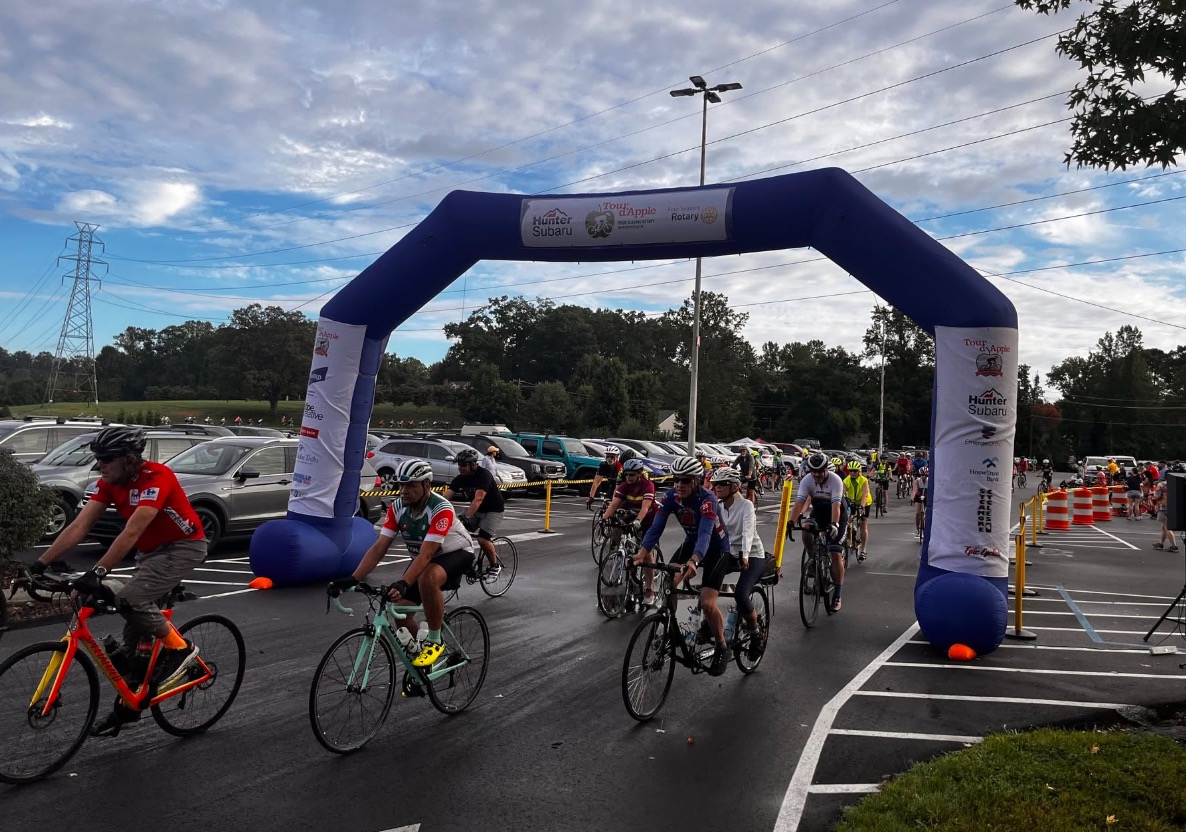
For the third time at a regional race event, a tactical APRS deployment was used to support communications operations, this time during the Tour de Apple. The deployment demonstrated how digital information can complement traditional amateur radio voice communications and improve situational awareness during a large community event.
The deployment centered around a temporary APRS digipeater established specifically for race operations. While vehicle and station tracking remain important parts of APRS, this year’s operation continued to demonstrate that the system can provide much more than dots moving across a map.
Building a Tactical APRS Network
The field station consisted of a WX3in1, Yaesu FTM-3100, and a drive-on antenna mount. The entire station operated from battery and emergency power throughout the event, allowing it to function independently of commercial power.
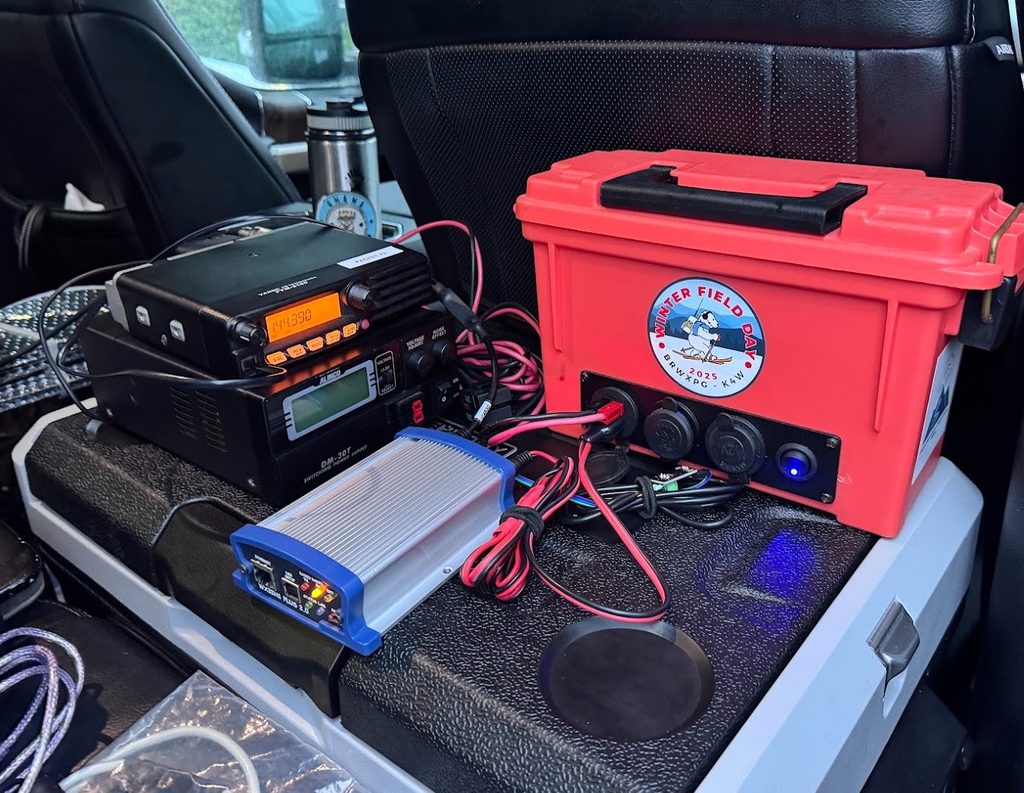
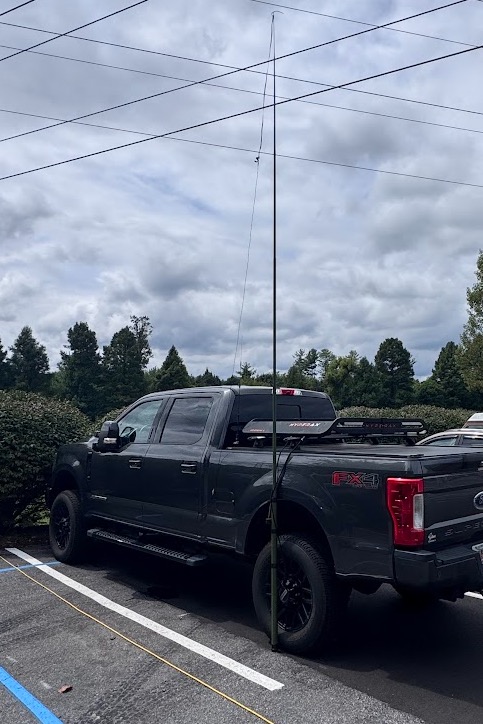
APRS traffic from the race area was relayed through the tactical station toward Bearwallow (KN4KWA-15), where it could ultimately reach an APRS I-Gate and APRS-IS.
This provided both an RF-based tactical network and the ability to integrate information into internet-connected APRS resources when connectivity was available.
Creating a Common Operating Picture
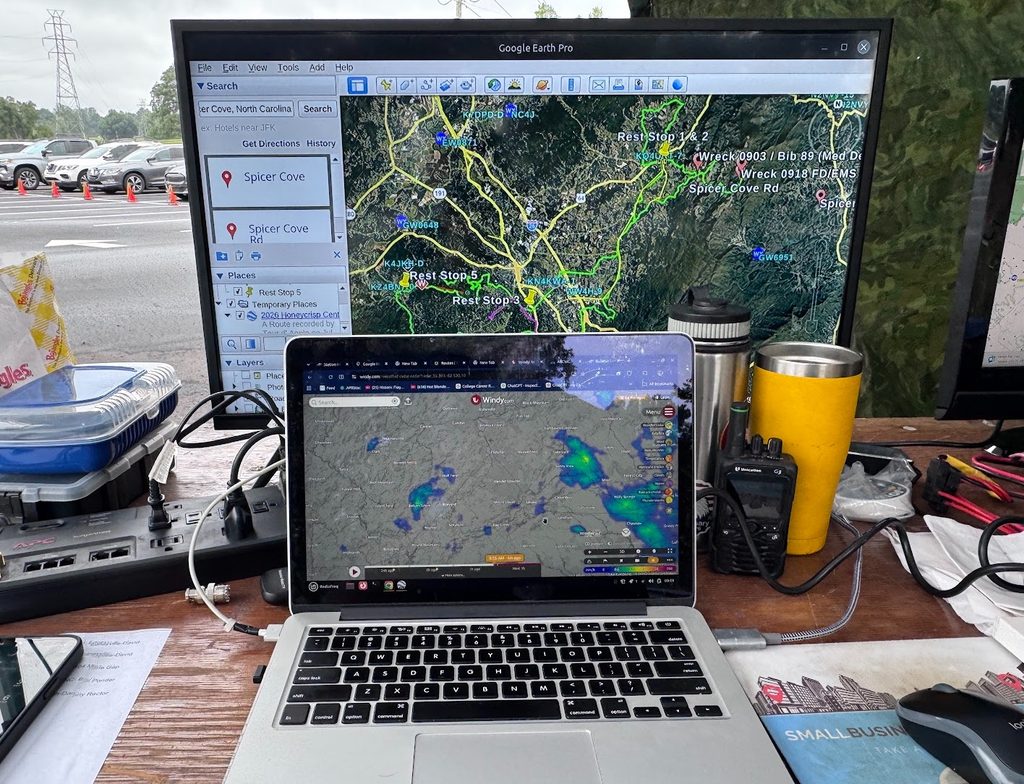
One of the more useful aspects of the deployment was bringing APRS information into Google Earth along with custom mapping overlays.
Rather than viewing APRS solely as a collection of individual station positions, the information could be incorporated into a larger operational map showing the race environment.
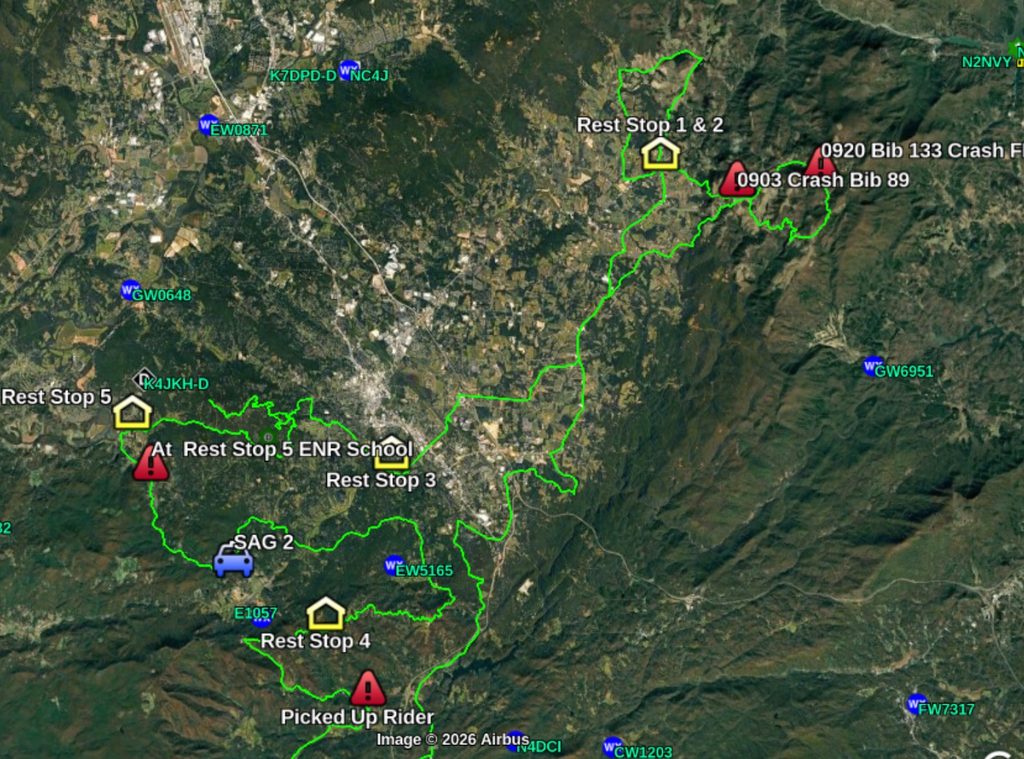
For Net Control and event organizers, this provides a developing common operating picture. Stations, vehicles, incidents, and other important locations can potentially be displayed together instead of requiring operators to reconstruct the situation entirely from voice traffic.
More Than Vehicle Tracking
The biggest lesson from using APRS during the local events is that its value extends well beyond position reporting.
Voice remains the primary means of tactical communication, but APRS provides a second layer for moving and retaining information.
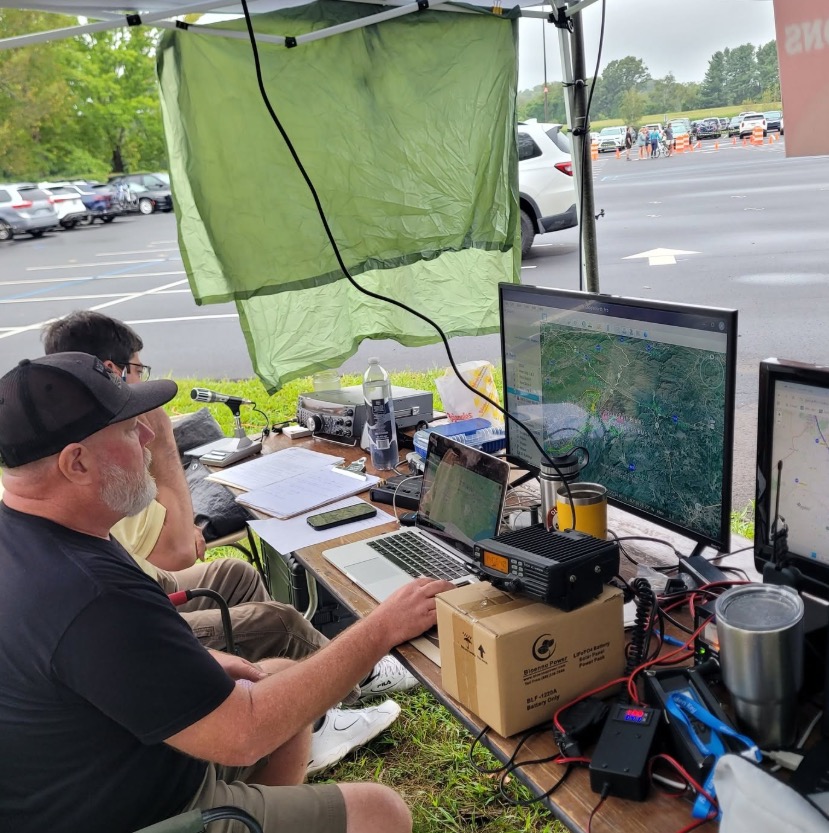
An APRS Net Control station can monitor the digital side of the operation, maintain awareness of station movements, assist with race progression tracking, and help distribute information that may not need to occupy the primary voice net.
This becomes particularly valuable during busy periods when multiple pieces of information are being passed simultaneously.
The Next Step: Objects and Messaging
Future deployments will expand the use of APRS objects. Objects can represent locations or resources that do not have their own APRS radio. During a community event, this could include:
- Rest stations
- Aid locations
- Road closures
- Incidents
- Supply points
- Command locations
- Other temporary operational resources
Instead of simply hearing over the radio that an incident occurred at a particular location, an APRS object could potentially place that incident directly onto the operational map.
The goal is to distribute these objects over both RF and APRS-IS, allowing appropriately equipped operators and Net Control stations to see the same information.
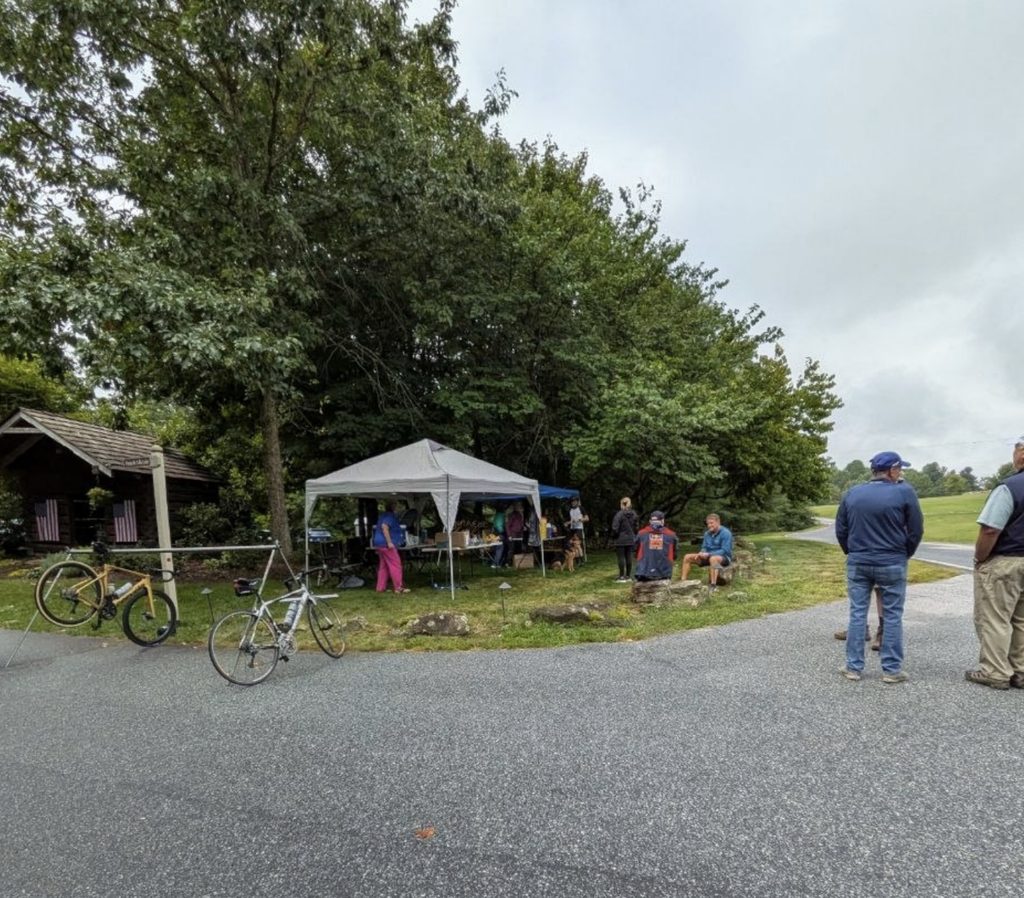

Another area being explored is APRS messaging at rest stations. Providing selected stations with messaging capability could create an additional path for exchanging short information with Net Control without unnecessarily adding traffic to the primary voice channel.
A Complement to Voice, Not a Replacement
The objective is not to replace the voice traffic. Instead, APRS provides another layer of communications that can operate alongside it.
Voice is excellent for immediate coordination and conversation. APRS is particularly useful for information that benefits from being displayed, retained, geographically referenced, or shared among multiple operators.
Combining the two creates a more capable communications system than either provides independently.
Looking Ahead
The Tour de Apple continues to serve as a useful environment for developing these tactical APRS concepts under real operating conditions.
Each deployment provides an opportunity to improve equipment configurations, coverage, operating procedures, mapping, and information flow.
The longer-term goal is to refine these techniques into repeatable tactical deployment methods that can support other races, public-service events, exercises, and community communications operations throughout the region.
The important lesson is straightforward. APRS does not have to be just a vehicle-tracking system. Properly implemented, it can become part of the information infrastructure supporting an entire event.
Leave a Reply
You must be logged in to post a comment.